
GIP Implementation
How the GIP Works: The Five-Pillar Model
The GIP catalyses global and regional efforts to transform climate resilient water investments towards 2030. Key priorities of the GIP include mobilisng global political commitments and financial resources to accelerate implementation of:
1
Country & Regional Investment Pipelines
Support countries to develop strong, structured investment portfolios aligned with SDG 6, NDCs, and national development plans.
2
Project Preparation & Structuring
Full project development cycle support including technical assistance, prefeasibility, feasibility, and transaction advisory services.
3
Blended Finance & Derisking Instruments
Partnerships with MDBs, UN Agencies, UN Capital Development Fund, Green Climate Fund, Global Environmental Facility, private sector and other partners to deploy: Guarantees, First-loss capital, Credit enhancements, Viability gap funding, and PPP structuring tools.
4
Global, Continental and Regional Water Investment Marketplace
A digital and in-person investment platform that links investors to verified, bankable projects at all levels.
5
Enhancing Mutual Accountability- GIP Water Investment Scorecard
Partnerships with MDBs, UN Agencies, UN Capital Development Fund, Green Climate Fund, Global Environmental Facility, private sector and other partners to deploy: Guarantees, First-loss capital, Credit enhancements, Viability gap funding, and PPP structuring tools.
Bottom-up ownership and leadership
The GIP model is anchored on country led bottom-up leadership and ownership through four continental water investment programmes anchored by local and regional leaders and stakeholders across Africa, Asia-Pacific, Latin American & Caribbean, and Europe.
GIP Continental Africa Water Investment Programme (GIP-AIP)
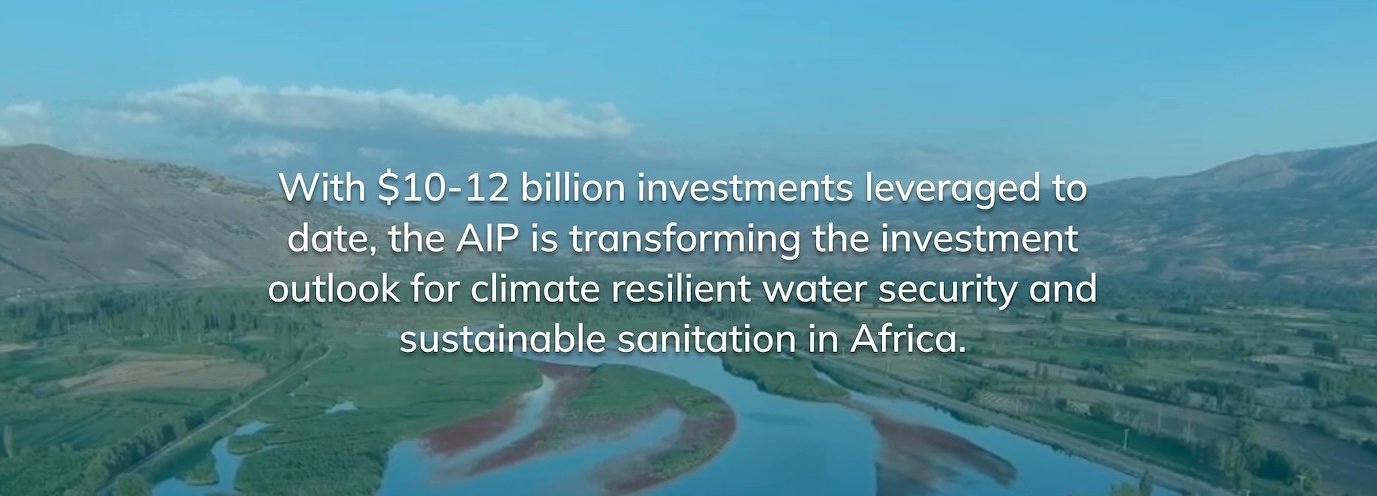
On 7 February 2021, during the 34th ordinary session of African Union Summit, the Assembly of the African Union Heads of State and Government adopted the Continental Africa Water Investment Programme as part of the Programme for Infrastructure Development in Africa. The AU Climate Change and Resilient Development Strategy (2022-2032) recognise the AIP as a flagship initiative for transforming water systems. More- https://aipwater.org/
GIP Latin America & Caribbean (GIP- LAC)
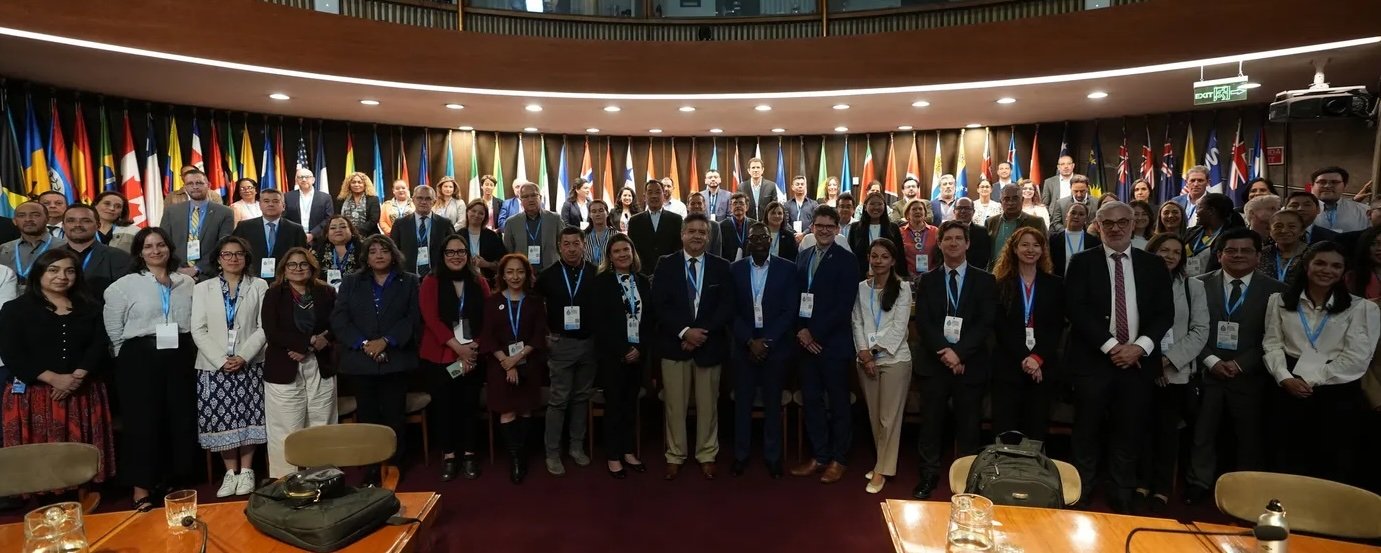
Event took place during UN ECLAC’s Regional Water Dialogues in Santiago Chile
On 9 October 2025, regional and global leaders initiated the process to establish a USD 20 billion Initiative in Latin America and the Caribbean to close the water investment gap in the region and accelerate access towards the 2030 SDG 6 and water-related targets. The GIP LAC Initiative is co-convened by the Development Bank of Latin America and the Caribbean (CAF), UN Economic Commission for Latin America and the Caribbean (ECLAC), and the Global Water Partnership (GWP),) — responds to an urgent regional financing gap and a deepening human water crisis. More-https://gwpo-gwp.org/news/latin-america-and-the-caribbean-launch-a-usd-20-billion-initiative
GIP–Asia Pacific (GIP-APAC)
The GIP Asia Pacific (GIP-APAC) will build on GWP’s work across the region with partners, including the ongoing collaboration with the Asian Development Bank on the Asia Water Development Outlook Report, led by ADB, which covers the status of water security across 50 countries. This report provides a country-by-country snapshot of the region’s water security status, enabling policy makers, financing institutions, and planners to make more informed decisions on how to improve their performance in the water sector. Read more about the Asia Water Development Outlook Report here.
GIP–Europe (GIP-EU)
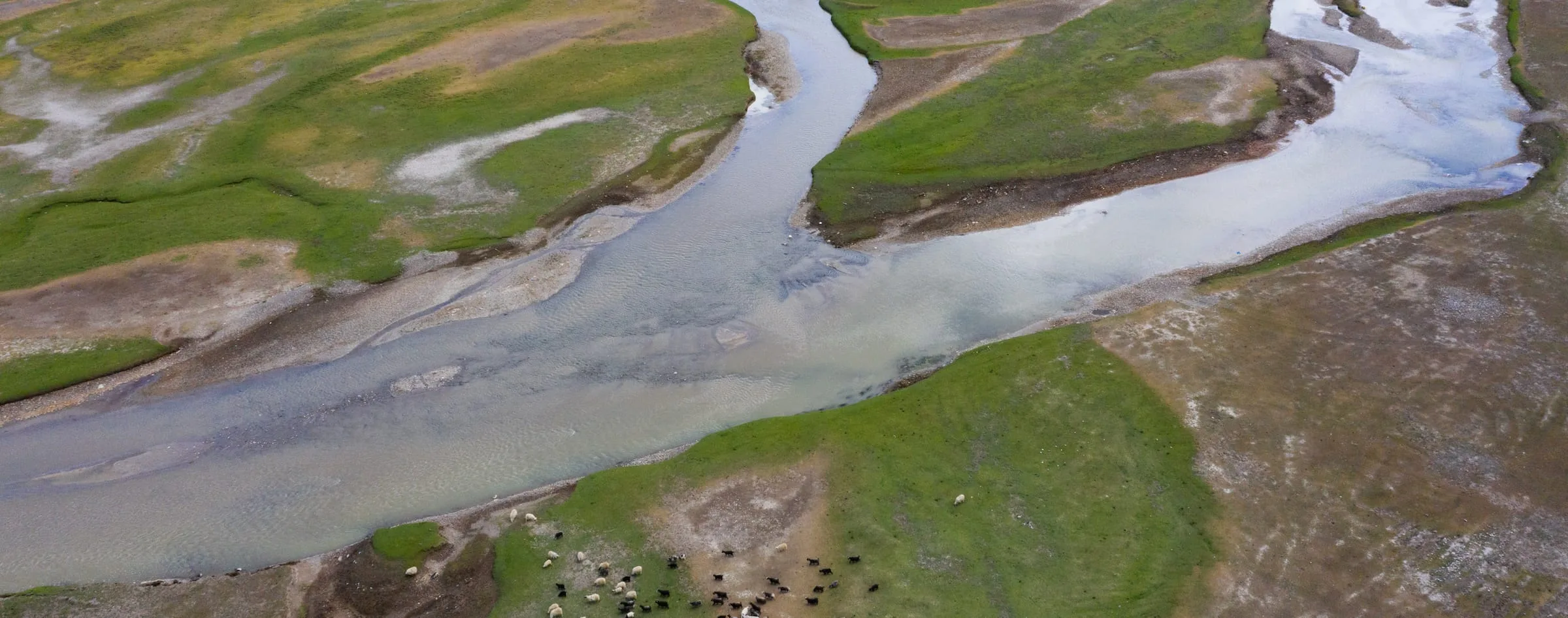
The GIP-EU will build on and leverage ongoing related initiative under the European Union including the EU water resilience strategy. Europe needs to ensure water security and be prepared for water-related disasters. In June 2025, the EU Commission adopted the European Water Resilience Strategy aiming at restoring and protecting the water cycle, securing clean and affordable water for all and creating a sustainable, resilient, smart and competitive water-economy in Europe. The strategy will support Member States in managing water more efficiently, both through implementation of current EU water legislation and through over 30 actions. More - https://ec.europa.eu/commission/presscorner/detail/en/ip_25_1404